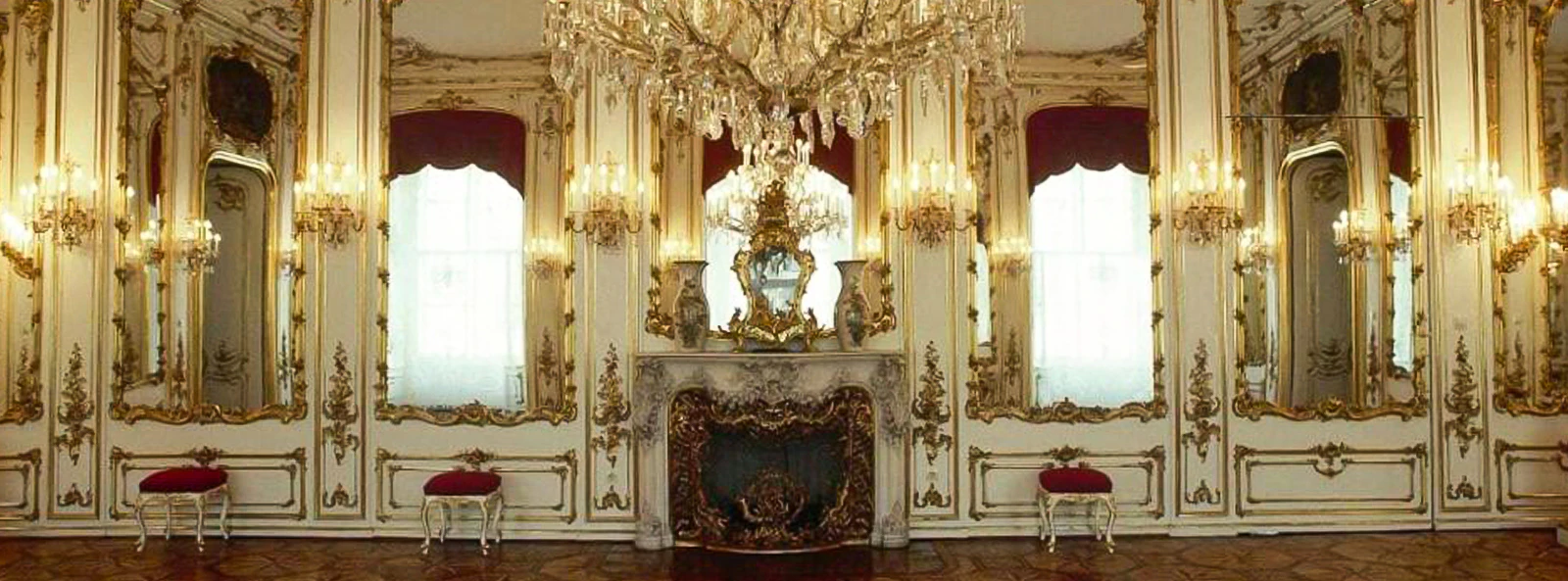
About Hofburg Palace

  • Seating categories: Category 1 offers assigned seating in the first rows of the Mozart Hall or Festival Hall, offering the best views and proximity to the performers. Category 2 provides unassigned seating in the further rows, providing a more affordable option with still excellent acoustics.
  • Seating capacity: The seating capacity varies depending on the concert hall. The Mozart Hall, divided between the balcony and the ground floor, can seat up to 704 guests, while the Festival Hall, the largest hall in the Hofburg Palace, can accommodate about 1176 guests.
  • Best seats: Category 1 seats in the front rows offer the best views and acoustics, placing you closest to the performers for an immersive experience.
  • Good value seats: Category 2 seats are farther back, but more affordable, while still offering excellent acoustics for a great listening experience.
  • Recommendations: For extra comfort and legroom, you should opt for aisle seats. Additionally, arriving early will help you secure the best available seats.

Built in the 13th century, Hofburg Palace grew into a sprawling complex reflecting the might of the Habsburgs. Originally a medieval fortress, it transformed into a Baroque and Rococo masterpiece. Over the centuries, it became the center of power for the Austro-Hungarian Empire, witnessing key historical events, including imperial weddings, state affairs, and political treaties.

The palace was home to influential figures such as Emperor Franz Joseph I and Empress Elisabeth (Sisi). After the fall of the monarchy in 1918, the palace transitioned into a cultural and governmental institution, now serving as the official residence of Austria’s president. Today, Hofburg Palace continues to be a living monument to Vienna’s rich history, drawing visitors from around the world.

  • Style: A captivating fusion of Gothic, Renaissance, Baroque, and Rococo elements creates a truly mesmerizing aesthetic.
  • Exterior: The building boasts grand facades, soaring domes, and the eye-catching Michaelertrakt entrance, inviting visitors into a world of architectural splendor.
  • Interior: Step inside to discover lavish halls that shimmer with chandeliers, ceilings adorned with exquisite frescoes, and intricate stucco work that tells tales of artistry and elegance.
  • Notable Features: Don't miss the breathtaking Hofburg dome, a marvel in its own right, and the magnificent Imperial Staircase, a stunning ascent that leaves a lasting impression.
  • The Vienna Philharmonic New Year’s Concert (Since 1939): One of the world’s most famous classical music events, this concert is held annually in the Hofburg’s grand halls. It features compositions by the Strauss family and is broadcast globally.
  • Aida (1871): This grand opera by Giuseppe Verdi has been performed at the Hofburg Palace in special gala concerts. It tells the tragic love story of an Ethiopian princess and an Egyptian warrior.
  • The Magic Flute (1791): One of Mozart’s most celebrated operas, The Magic Flute is frequently performed at Hofburg concerts. It blends enchanting music with a fairy-tale story of love, adventure, and triumph over darkness.
  • Swan Lake (1877): Tchaikovsky’s iconic ballet has been staged in Hofburg’s elegant halls, mesmerizing audiences with its tale of love, magic, and transformation.
  • The Hofburg Imperial Ball: This annual Viennese ball, held in the opulent halls of the palace, brings together music, dance, and tradition. Attendees dress in formal attire and waltz through the evening to live orchestras.

Know Before You Go

  • By subway (U-Bahn): Take the U3 line and get offat Herrengasse station, a 5-minute walk from the palace. The U1 or U2 Lines stop at Stephansplatz, then it's about a 10-minute walk towards Michaelerplatz.
  • By tram: Lines 1, 2, D, and 71 stop at Burgring station, right next to the palace entrance. Take the lines 62 or Badner Bahn to Oper/Karlsplatz, then walk about 7 minutes to the palace.
  • By bus: Lines 1A and 2A stop near Michaelerplatz, providing direct access to the palace grounds. Many hop-on-hop-off buses also offer dedicated stops at Hofburg Palace.
  • By foot: If you're near St. Stephen’s Cathedral, enjoy a scenic 10-minute walk through Vienna’s historic center to get to the Hofburg Palace.
  • By car: Parking is limited near Hofburg Palace, with the closest garages being Tiefgarage am Museumsquartier (Museumsplatz 1) and Parkgarage Opernringhof (Opernring 1).
  • Restrooms: Public restrooms are located at strategic points within the palace complex.
  • Free Wi-Fi: Available in certain areas of the palace, allowing visitors to stay connected during their visit.
  • Café: The palace has a café for refreshments and light meals, as well as several nearby restaurants.
  • Gift shops: Various shops selling souvenirs, historical books, and high-quality gifts related to the palace and its history.
  • Museums: Home to the Sisi Museum, Imperial Apartments, and Silver Collection, showcasing the Habsburg monarchy's treasures and artifacts.
  • Wheelchair access: Enjoy seamless navigation with the elevators and ramps designed for your convenience!
  • Braille information: While limited, the Braille materials are thoughtfully placed in key areas to enhance accessibility for all visitors.
  • Child-friendly: Bring the whole family along! The exhibitions are designed to be stroller-friendly and packed with family-oriented activities that everyone will love.
  • Arrive early for the best seats: Since seats in both the Festsaal (Festival Hall) and Mozartsaal (Mozart Hall) are not pre-assigned, arriving early gives you the best chance to secure a prime spot. Doors usually open 30 to 45 minutes before the concert, so plan to be there as soon as entry begins.
  • Choose seats for optimal acoustics: If you're looking for the best sound quality, aim for seats near the center of the hall, as this is where the acoustics are most balanced. In the Festsaal, the middle rows in the center section provide a rich, immersive sound experience. In the Mozartsaal, the front and middle seats offer an excellent blend of clarity and depth.
  • Premium seating Areas: If you want an unobstructed view of the performers and the most immersive experience, aim for front-row seats in the middle sections. These spots offer both excellent visuals and sound, making them perfect for classical music lovers.
  • Consider balcony seating: Some concerts in the Festsaal may offer balcony seating, which can provide a unique perspective and a fuller acoustic experience. These seats allow the music to reach you without direct interference from nearby audience movements.
  • Explore nearby attractions: St. Stephen’s Cathedral, Albertina Museum, and Heldenplatz are worth visiting while in the area.
  • Café Central: Step into a slice of Viennese history at Café Central, a grand coffeehouse that once hosted the likes of Sigmund Freud and Leon Trotsky. The classic Wiener Apfelstrudel here is a must-try, served warm with a delicate balance of spiced apples and flaky pastry.
  • Plachutta Wollzeile: If you want to experience Austrian cuisine at its finest, head to Plachutta Wollzeile, famed for its legendary Tafelspitz—tender boiled beef served in a rich broth with horseradish, chive sauce, and Rösti.
  • Figlmüller: No visit to Vienna is complete without tasting an authentic Wiener Schnitzel, and Figlmüller is the undisputed king of this dish. Their signature Schnitzel, made with thinly pounded pork and fried to golden perfection, covers the entire plate!
  • Demel: Enter the enchanting world of Demel, Vienna’s historic royal patisserie, where each dessert is a work of art. The Sachertorte, a rich chocolate cake with a thin layer of apricot jam, is a signature delight that has been enjoyed by emperors and commoners alike.

Frequently asked questions about Hofburg Palace

Yes, Hofburg Palace is open throughout the year, typically from 9am to 5:30pm, though some sections, like the Spanish Riding School or Imperial Apartments, may have seasonal closures or special event schedules.