- Born in 1732 in Rohrau, Austria, Haydn showed musical talent from an early age and joined a choir in Vienna as a boy.
- He trained under composer Nicola Porpora, working as a freelance musician before securing a stable position.
- In 1761, he became Kapellmeister for the wealthy Esterházy family, where he composed and refined his signature style.

Celebrate Haydn’s masterpieces in Vienna’s grandest halls
Joseph Haydn | The Father of Symphony in Vienna
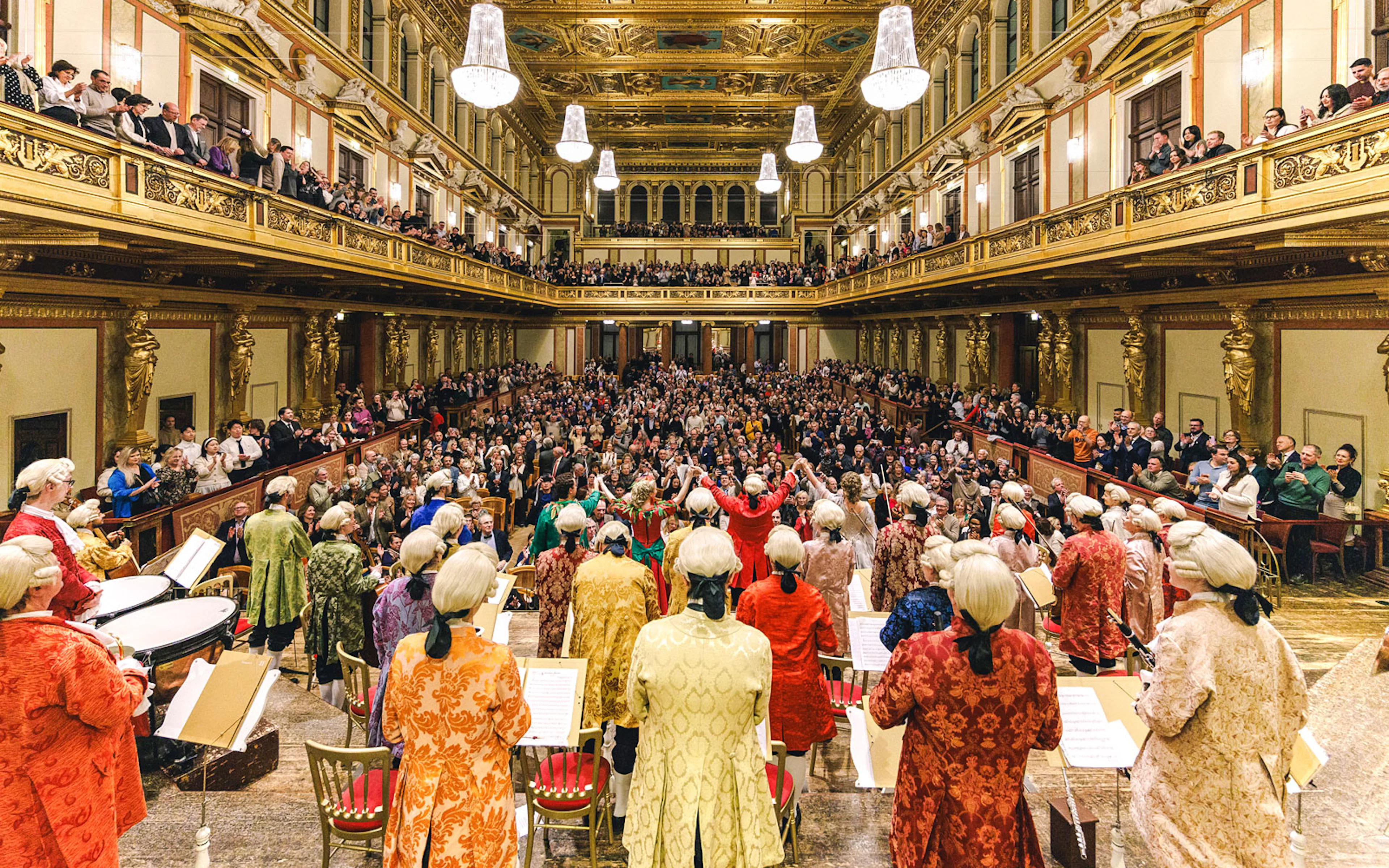
Few composers shaped classical music as profoundly as Joseph Haydn. Often called the 'Father of the Symphony' and 'Father of the String Quartet', Haydn’s innovative compositions laid the foundation for generations of musicians. His career flourished in Vienna, a city that pulsed with artistic brilliance, where he influenced and was influenced by musical greats like Mozart and Beethoven. From grand symphonies to elegant chamber pieces, Haydn’s legacy lives on in Vienna’s concert halls, reminding us why the city remains the heart of classical music.
Haydn’s life and legacy in Vienna
Early years and connection to Vienna
Haydn’s influence on classical music
- He revolutionized the symphony and string quartet, earning the title 'Father of the Symphony'.
- His compositions influenced Mozart and later Beethoven, shaping the classical era.
- He elevated musical forms by infusing them with humor, surprise, and profound emotional depth.
Later years
- After decades with the Esterházys, Haydn moved to Vienna permanently in the 1790s.
- Internationally celebrated, he composed famous works like The Creation and The Seasons.
- Joseph Haydn passed away in 1809, leaving an indelible mark on Vienna’s rich musical legacy.
Famous works by Haydn
- Symphony No. 94 'Surprise': A masterpiece of humor and ingenuity, this symphony earned its name from an unexpected loud chord in the otherwise soft second movement. Haydn, known for entertaining audiences, composed this surprise to jolt sleepy concertgoers.
- The Creation (Die Schöpfung): One of Haydn’s greatest oratorios, The Creation vividly depicts the formation of the world, drawing inspiration from the Bible and Paradise Lost. With sweeping orchestration, dynamic contrasts, and a triumphant choral finale, it captures the grandeur of nature and divine creation.
- String Quartets Op. 76: This set of quartets showcases Haydn’s bold experimentation with harmony, rhythm, and melody. The Emperor Quartet is particularly famous, featuring a melody that later became Germany’s national anthem.
- The Seasons (Die Jahreszeiten): A lively oratorio portraying the beauty and rhythm of nature across the year, The Seasons takes listeners through joyful spring awakenings, the warmth of summer, autumn harvest festivities, and the serenity of winter.
Interesting facts about Haydn
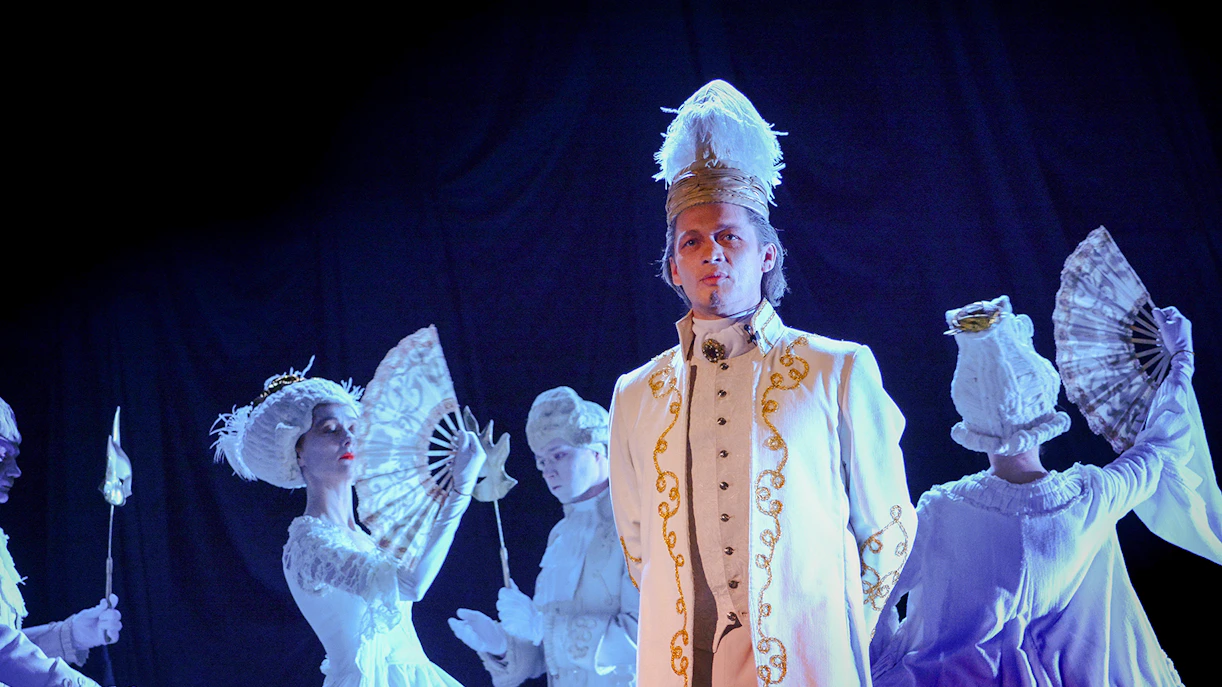
- The composer who loved a good joke: In Symphony No. 45 'Farewell', he had musicians leave the stage one by one during the final movement, his clever way of hinting to his employer that they needed a vacation!
- Haydn’s grumpy student: Haydn mentored Beethoven, but the fiery young composer found his teacher too traditional. Beethoven even scratched out Haydn’s name from one of his early works, though he later acknowledged Haydn’s profound influence.
- His head went on an adventure: After Haydn died in 1809, grave robbers stole his skull for phrenology research. It took over 100 years for his remains to be reunited, as two skulls ended up in his tomb—one real, one a replacement!
- A workaholic with a love for coffee: Haydn was incredibly disciplined, composing over 100 symphonies and 80 string quartets. His secret? A love for coffee! He believed it kept his mind sharp, often composing in the morning with a strong cup in hand.
- London adored him: When Haydn visited London, he was treated like a rock star. Even King George III wanted lessons from him! His London Symphonies were so successful that he earned enough money to retire comfortably in Vienna.
Haydn’s connection to Vienna
Vienna was the beating heart of Haydn’s career, shaping him as much as he shaped its musical identity. Though he spent decades at the Esterházy court, it was in Vienna that his fame soared. The city’s vibrant musical scene introduced him to Mozart and Beethoven, fueling an exchange of ideas that defined the Classical era. His works filled Vienna’s concert halls, influencing generations of composers. Today, visitors can explore Haydn’s legacy at landmarks like his former residence and the grand halls where his music once captivated audiences.
Other classical concerts you might love
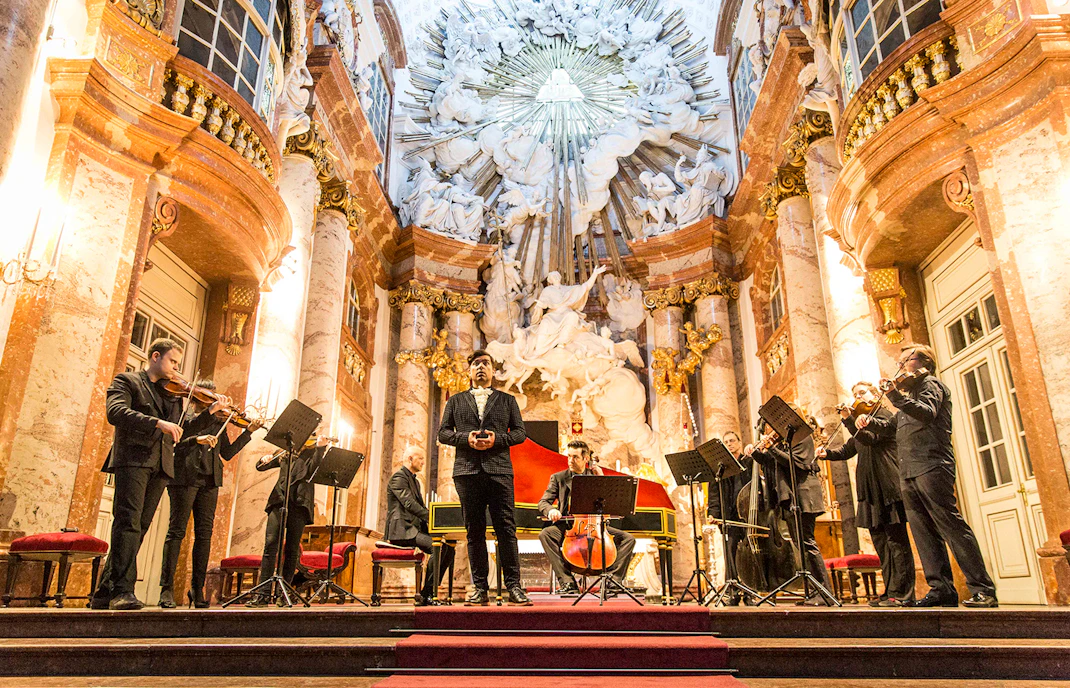
Vivaldi’s Four Seasons at Karlskirche
Experience the magic of Antonio Vivaldi's The Four Seasons as the esteemed Orchestra 1756 brings it to life on period instruments, delivering an authentic rendition of Vivaldi's lively compositions. The church’s lavish interiors and remarkable acoustics create an extraordinary atmosphere, making this concert an absolute must for any classical music lover.
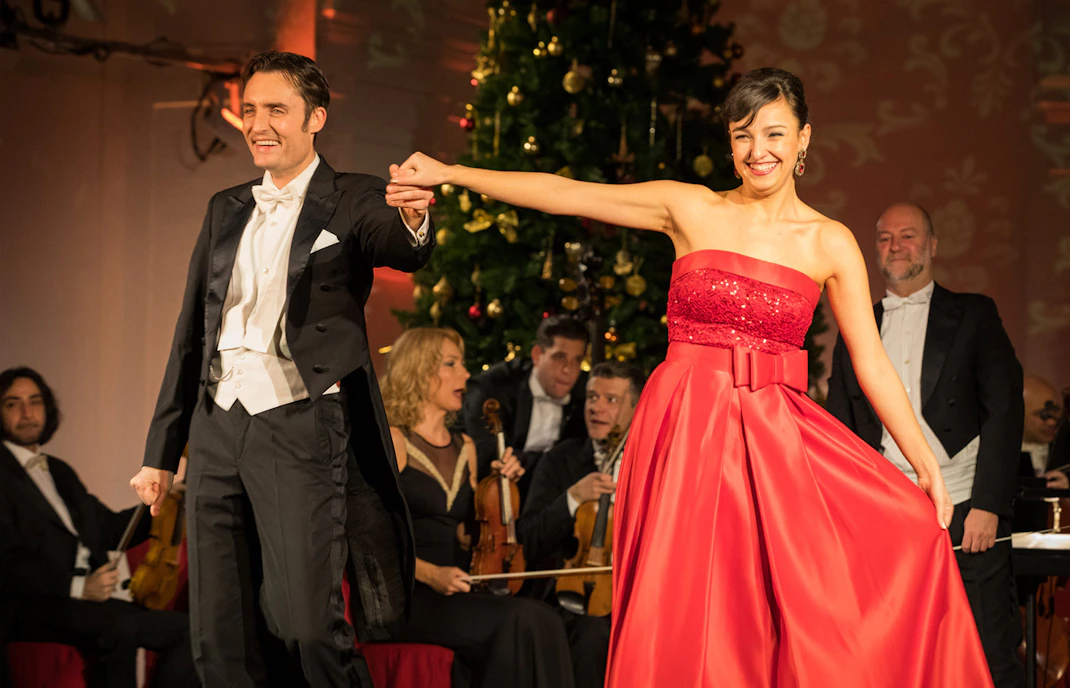
Mozart and Strauss concerts at Schönbrunn Palace
Step into a world of enchanting melodies and timeless elegance at Vienna's Schönbrunn Palace, where the musical legacies of Wolfgang Amadeus Mozart and Johann Strauss come alive! Experience an unforgettable evening as the renowned Schönbrunn Palace Orchestra masterfully performs these iconic composers' masterpieces.
Frequently asked questions about Haydn's concerts in Vienna
The Musikverein, particularly its Golden Hall, is renowned for its exceptional acoustics and regularly hosts performances of Haydn's works. Another excellent venue is the Vienna Konzerthaus, which features Haydn's compositions.
Yes, you can visit Haydn's last residence, known as Haydnhaus, located in Vienna's 6th district. Now a museum, it offers insights into his life and work, showcasing original manuscripts and personal items. The house also features a tranquil garden that Haydn cherished, providing a peaceful retreat for visitors.
A notable monument honoring Haydn is located in front of the Mariahilfer Church. Erected in 1887, this statue stands in a square that reflects Vienna's appreciation for its musical luminaries. The location is easily accessible and offers a glimpse into the city's historical dedication to commemorating its composers.
While Vienna hosts numerous classical music festivals, the most prominent Haydn festival occurs in Eisenstadt, where Haydn spent a significant part of his career. The Haydn Festival in Eisenstadt celebrates his legacy with performances of his works in venues where he originally composed and conducted.
Original manuscripts and scores of Haydn's works are occasionally displayed in special exhibitions at institutions like the Austrian National Library. Additionally, Haydnhaus features some of his artifacts and documents, providing insight into his compositions and personal life.
Yes, several churches in Vienna are associated with Haydn's music. The Church of the Barmherzigen Brüder, where Haydn worked as a musician in the 1750s, and the Karmeliterkirche, where he served as an organist, are notable examples.
While St. Stephen's Cathedral primarily hosts liturgical services, it occasionally features concerts that include works by classical composers like Haydn.