Schönbrunn Palace Concerts
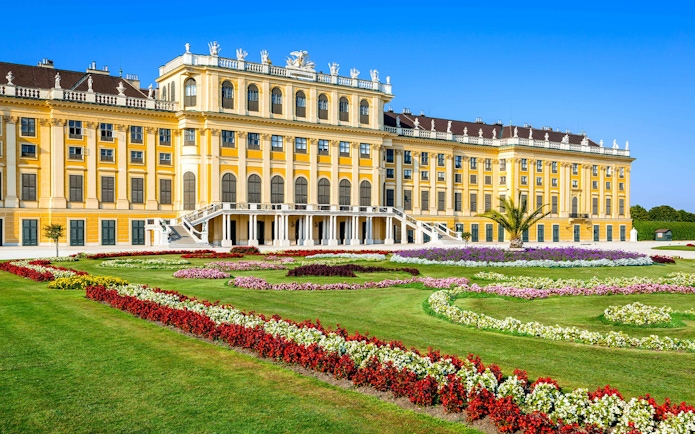
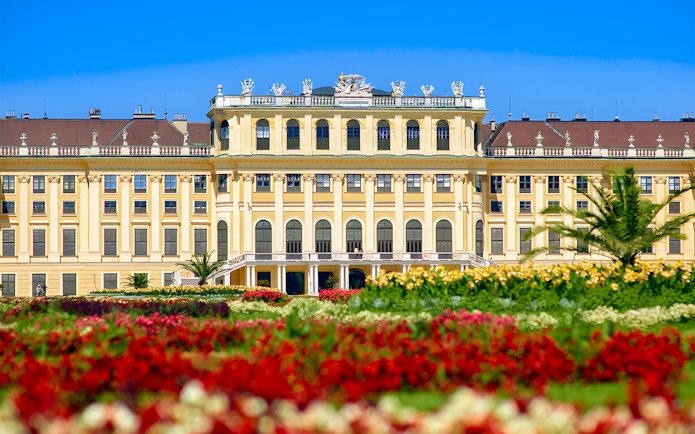
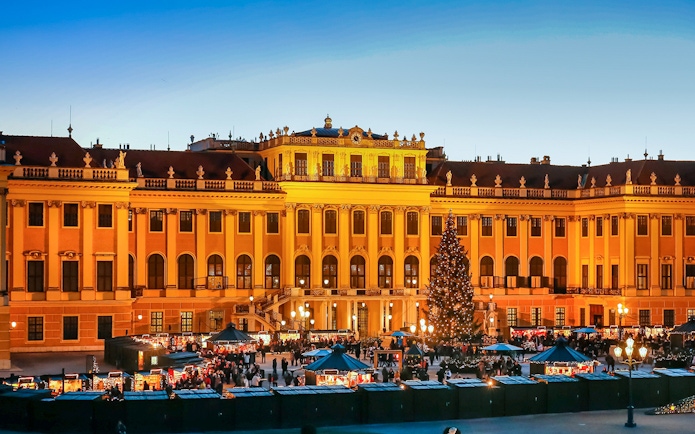
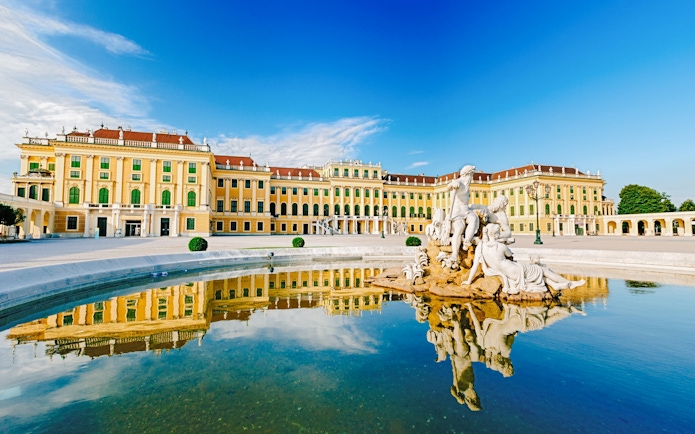
Schönbrunn Palace, Vienna’s former imperial summer residence, is a UNESCO World Heritage Site and Austria’s most visited landmark. With 1,441 rooms, lavish Rococo interiors, and sprawling Baroque gardens, it offers you a vivid glimpse into Habsburg court life. Explore opulent staterooms, stroll through manicured gardens, and enjoy attractions like the world’s oldest zoo—all in one unforgettable destination.
About Schönbrunn Palace
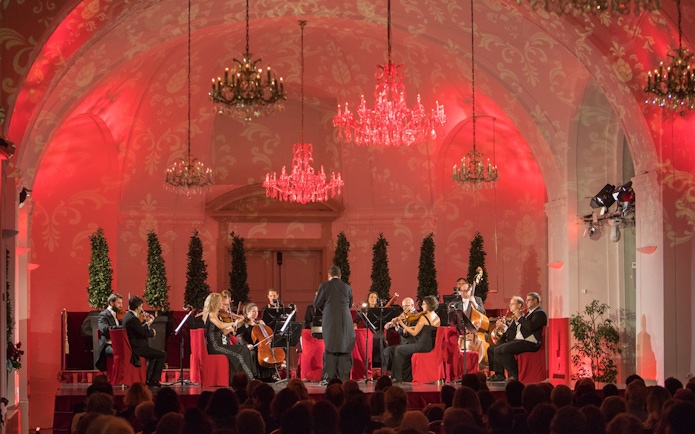
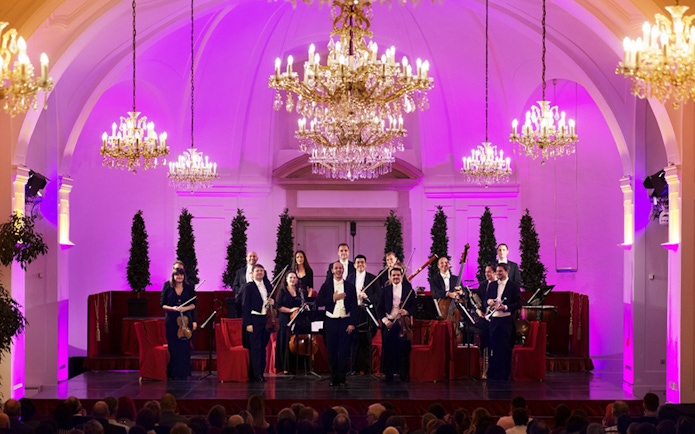
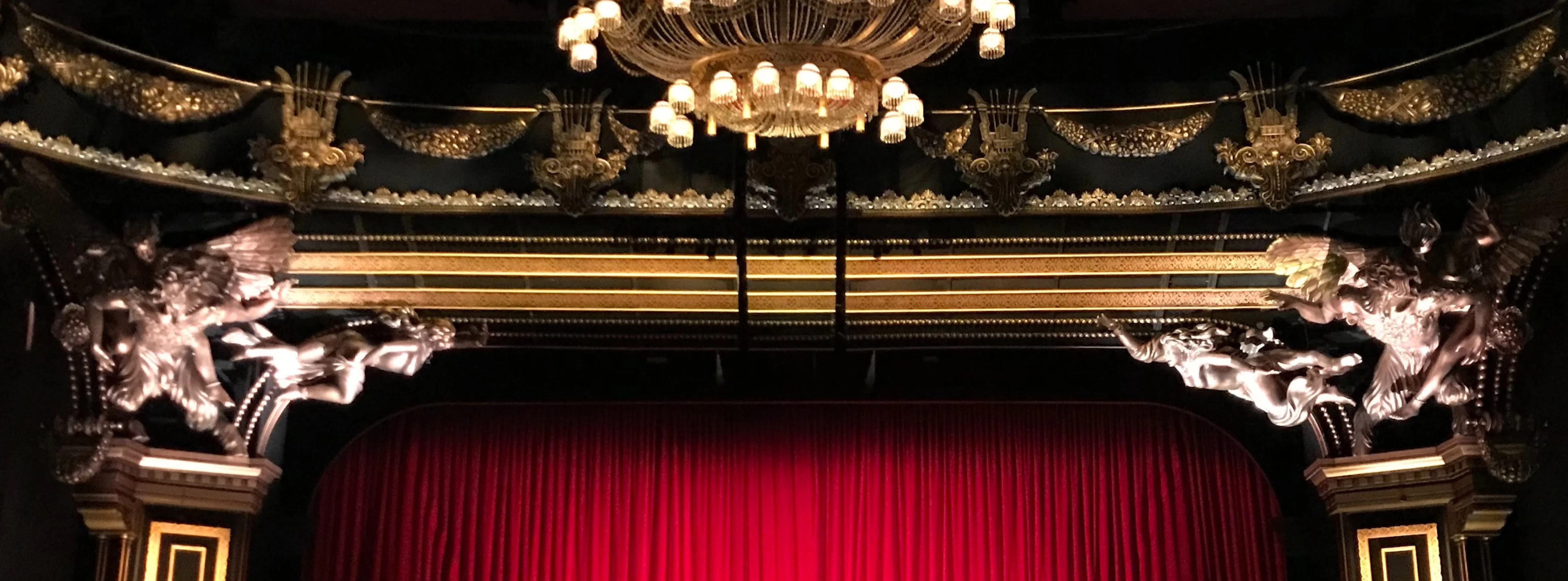
- The Orangery of the Schönbrunn Palace, in which classical music concerts usually take place, can seat up to 500 hundred people, depending on the arrangements.
- These seats are usually divided into 3 to 4 categories, with the prices decreasing from the front rows to the back.
- The VIP section right at the front of the orchestra has the most expensive seats.
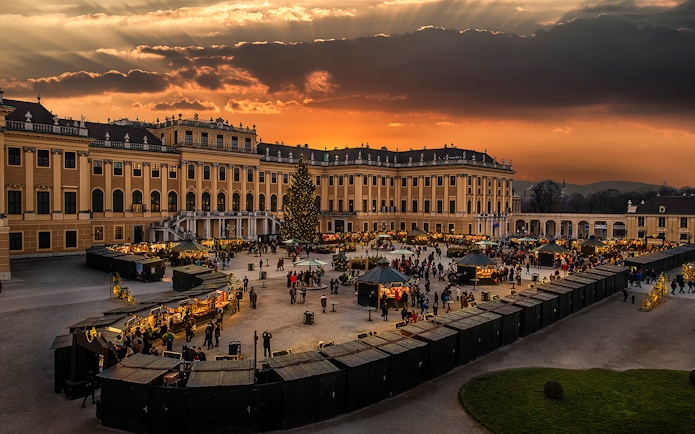
The piece of land on which the palace stands today was purchased in 1569 by Holy Roman Emperor Maximilian II for the sole purpose of turning it into a hunting ground. When it was inherited by Eleonora Gonzaga, she added a palace to the already existing building on the premises. A few years later, Maria Theresa was gifted the Palace at her wedding, and she oversaw a vast renovation of the palace and converted it into her summer residence between the 1740s and 1750s. Due to its historical importance and magnificent structure, it was added to the UNESCO Heritage List in 1996
- The palace was created with Baroque themes by architects Johann Bernhard Fischer von Erlach and Nicolaus Pacassi.
- The palace now has 1,441 rooms, designed in Rococo style, of which around 40 are open to the public.
- The exteriors of the palace consist of the Palace Gardens, with the 60-metre-high Gloriette, mazes, fountains, ruins, sculptures and also the Orangery and the zoo.
- Annual Summer Night Concert: The Vienna Philharmonic Orchestra performs on the lawns of the palace for a night of magical classical music.
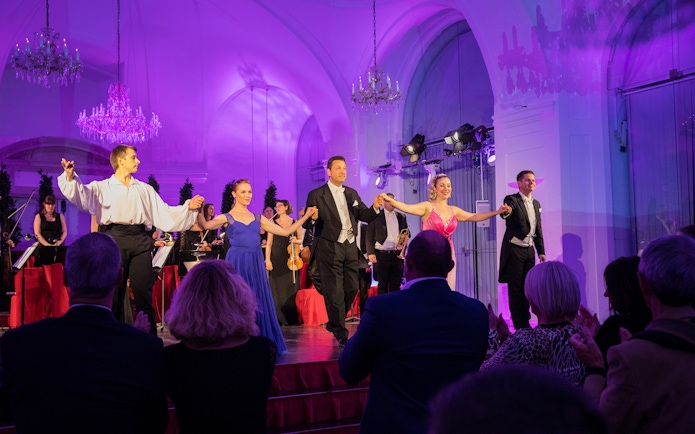
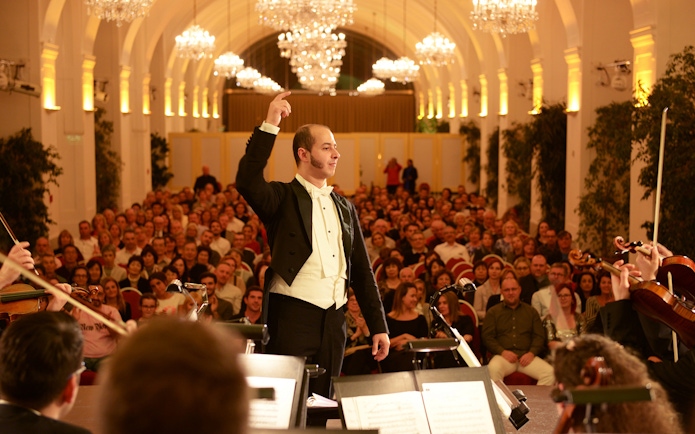
- Mozart and Strauss Concerts: The Orangery at the Schönbrunn Palace is the go-to venue for concerts playing compositions by Mozart and Strauss, which happen year-round.
Know Before You Go
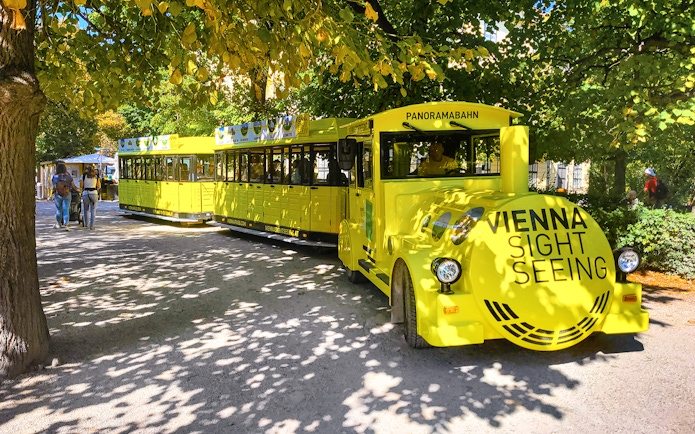
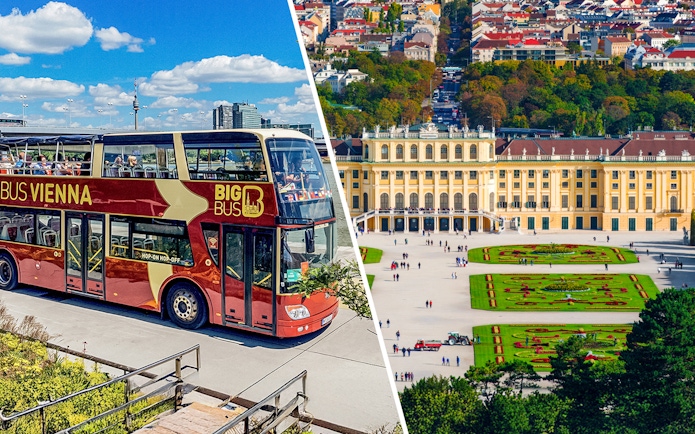
- Bus: The nearest bus station is the Schloss Schönbrunn stop served by bus number 10A. You could also hop off at the Montecuccoliplatz stop by riding buses 56A, 56B, 58A and 58B. The Hop-On-Hop-Off buses also pass by the palace.
- Tram: The nearest tram station is the Schloss Schönbrunn stop, served by Trams 10 and 60.
- Recommended Mode of Transport: The hall is centrally located and easily accessible by public transport. The tram or bus is the easiest mode of transport, as the stations are within walking distance from the palace.
- Parking: It is advisable not to use your personal vehicle to reach the venue as Vienna is known for its narrow winding roads where parking is a nightmare. The closest paid parking slot is on the street opposite the palace - Schönbrunner Schloßstraße.
- Discounts: Special needs visitors may avail of discounted entry upon production of ID.
- Assistance Dogs: Assistance dogs are welcome in the palace.
- Disability Parking: There are 3 designated parking spaces by the main gate for people with disabilities.
- Accessible Washrooms: There are accessible washrooms on the premises that can be accessed by the help of the staff.
- Free Accompaniment: Accompanying personnel can enter for free given their details are included on the ID of the disabled visitor.
- Sign Language: Both Austrian Sign Language (ÖGS) and International Sign (IS) guides are available for those who are hard of hearing.
- Special Tours: Special tours can be organized for the visually impaired, where they will be permitted to explore aspects of the palace by physical touch.
- Combo Tickets: If you are in Vienna for a while and plan on visiting other attractions, opt for the combo tickets, which will be more economical than buying individual tickets. This is especially great if you want to catch a classical music concert.
- Free Access: There are parts of the palace that you can access for free, such as most of the gardens and the park.
- Best Time to Visit: Summers are when most people visit the palace as the gardens are in full bloom and free, making it a great place for a morning jog. To avoid the crowds, go a little later in the afternoon when the crowd thins out, or visit during winter.
- Children's Museum: The palace is a great place to visit with kids. In addition to the immaculate gardens, there is also a Children’s Museum within the palace.
- Landtmann’s Jausen Station: Al fresco restaurant and coffee house famous with the locals.
- Café Residenz: Another famous coffee house on the premises which also caters to international cuisine.
- Joseph II. Das Schloss: Restaurant Schönbrunn - Classic Austrian restaurant where you can enjoy the local cuisine.
- Weiner Grill Haus: All meat and potato fans must hit up this restaurant. A local favourite with its cottage-style decor and outdoor seating.
- Restaurant Sokače: This Serbian restaurant is known for its meat offerings and generous portions.
Frequently Asked Questions About Schönbrunn Palace Concerts
Currently, the Schönbrunn Palace is regularly hosting Mozart & Strauss concerts, brought to the audience by the Schönbrunn Palace Orchestra.
The Schönbrunn Palace is located in Schönbrunner Schloßstraße 47, 1130 Wien, Austria
The venue has accessible toilets, ramps, sign language guides, special tours and many other facilities available for guests with special needs.
There are a bunch of restaurants near Schönbrunn Palace. Landtmann’s Jausen Station, Weiner Grill Haus, Joseph II. Das Schloss-Restaurant Schönbrunn, among others, are very popular.
You can easily book tickets for Schönbrunn Palace concerts online. This is a hassle-free and safe way, ensuring that you have all the information you need before getting your tickets.